In Michigan, at Port Huron, I captured some motion as an Eagle takes off and a pair sails on a canoe. With the water in the background, it feels like both will take off into the distance but in reality these petroglyphs will be around forever. 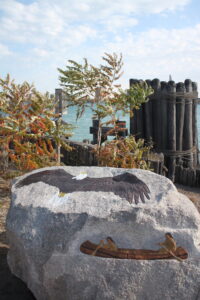
Category: Folk Art
Folk art with a focus on roadside art.
Reykjavik Graffiti
This fine drawing may not be the an early Barry McGee mailbox drawing, but it is very commendable. Nice drawing, good hand, and the abstraction is humorous.
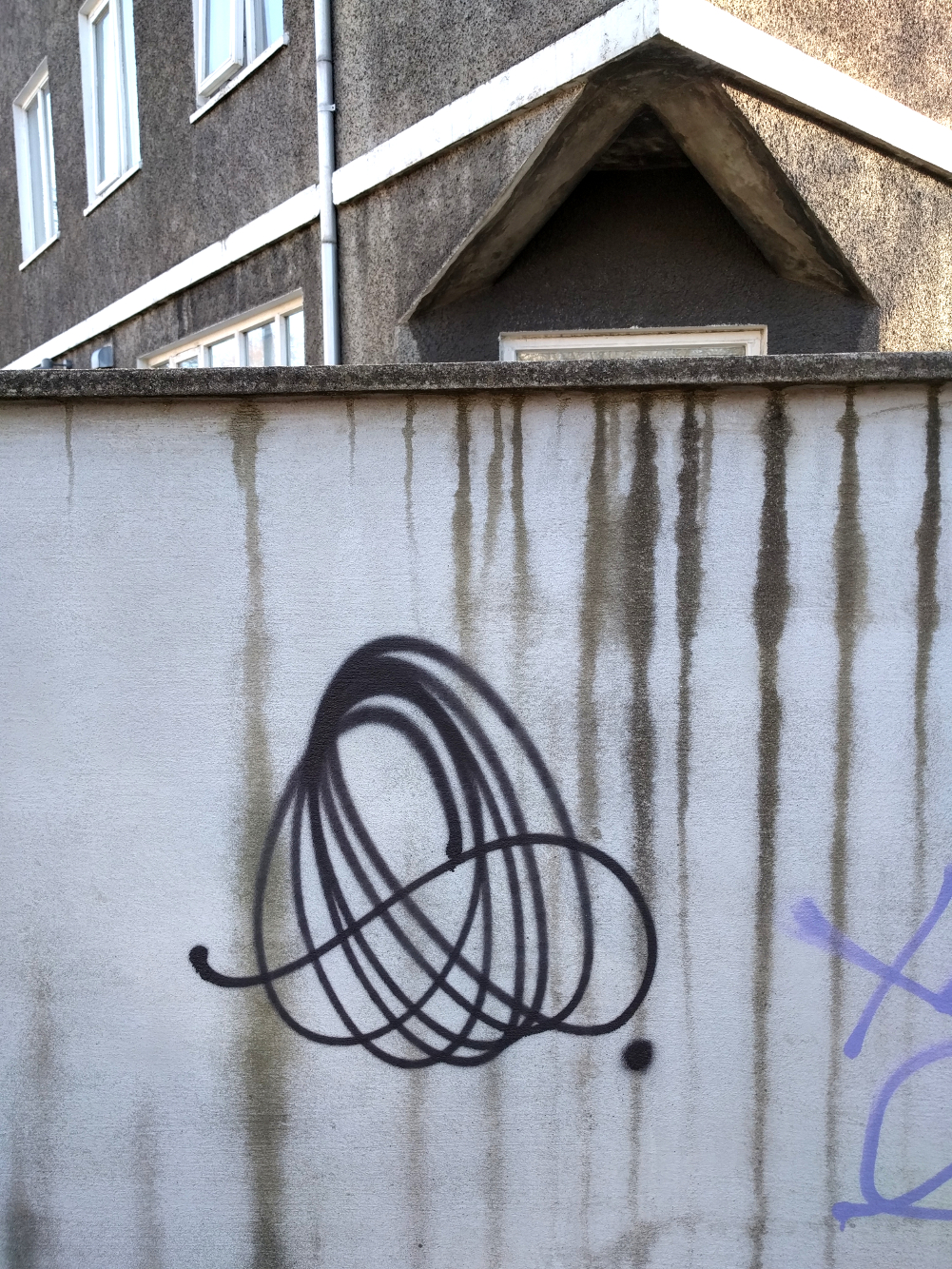
#Graffiti #Reykjavik #TwistOne #StodvarCreativeCenter
Space Art
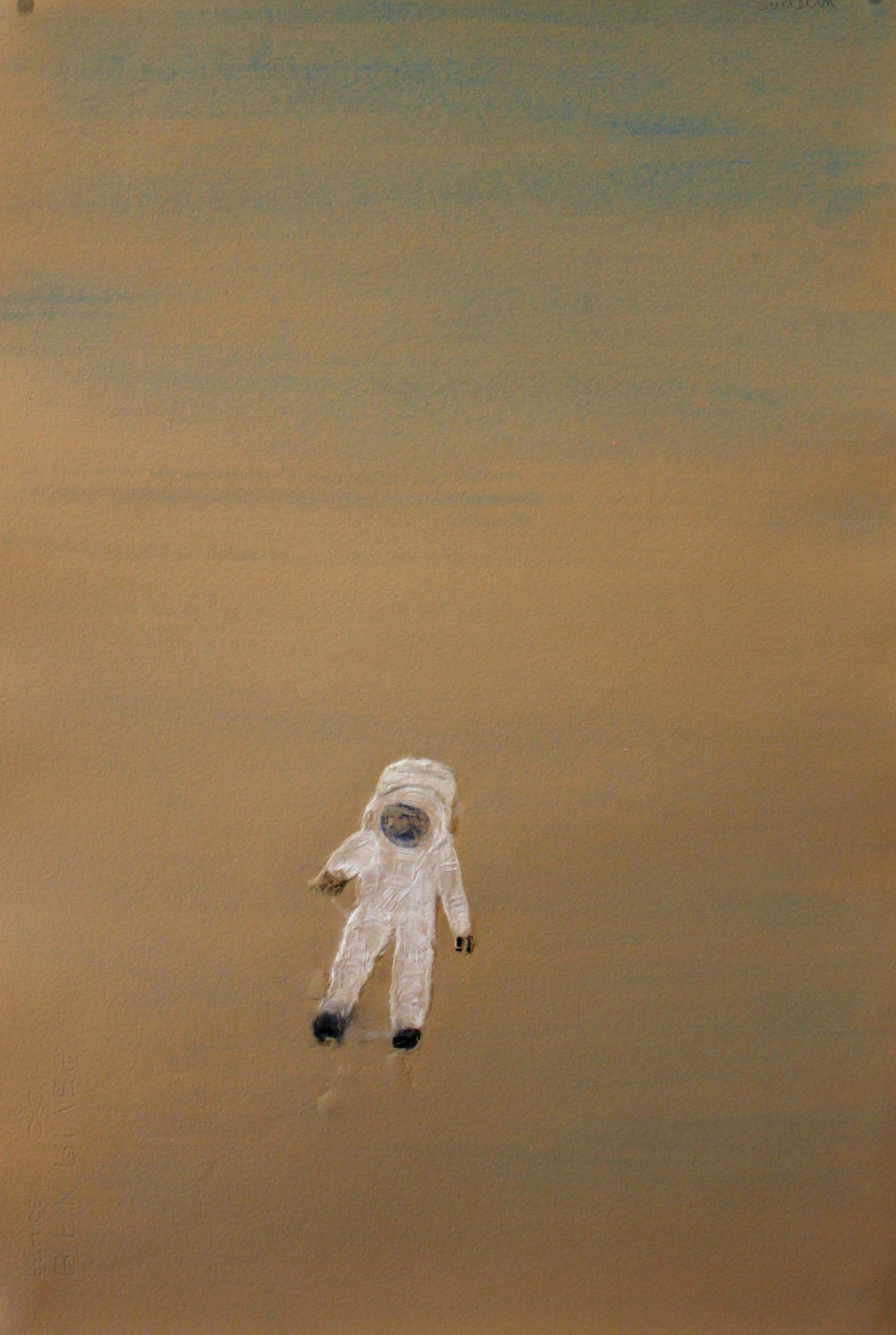
My vision for this carving is to document the space age for the long term.
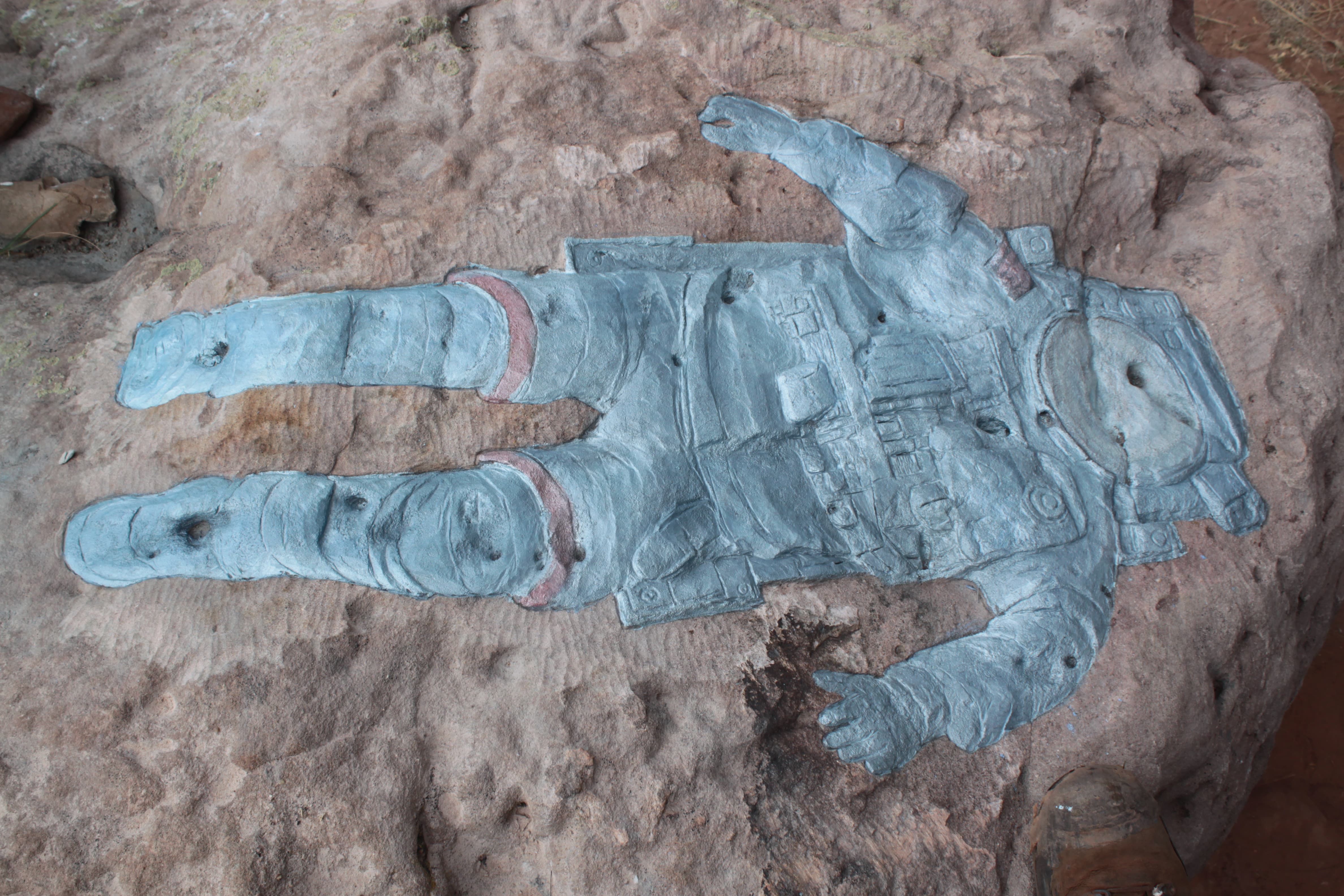
Beyond the local impact for people with physical access to the rock, this impression presents the work off-site where my artwork becomes a remotely accessible experience.
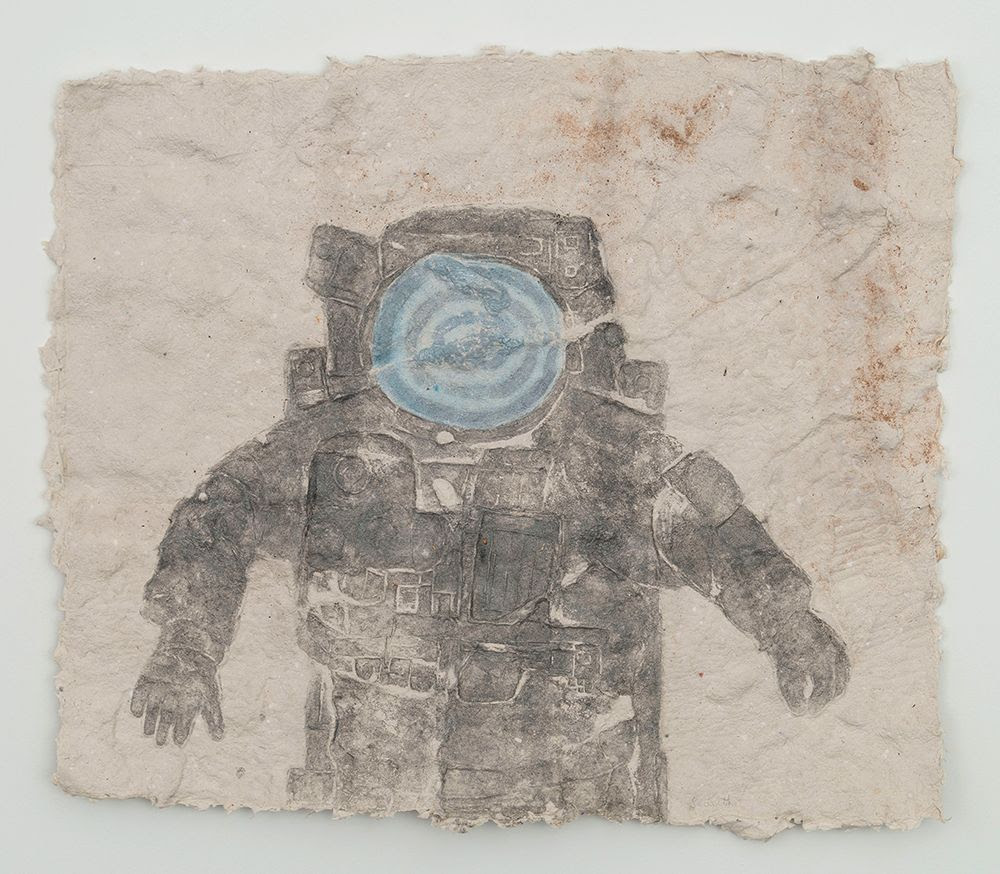
Rock, Paper, Space
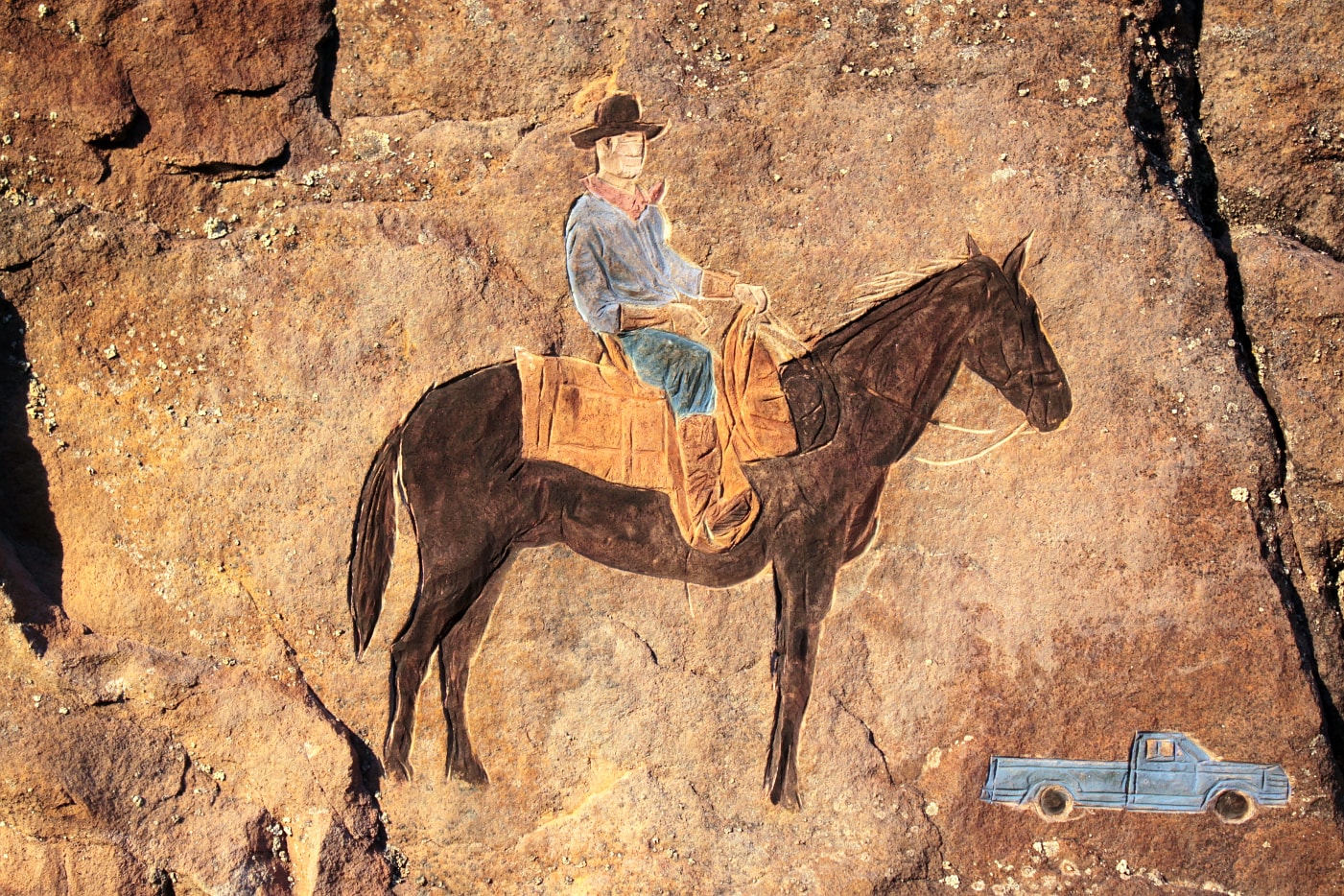
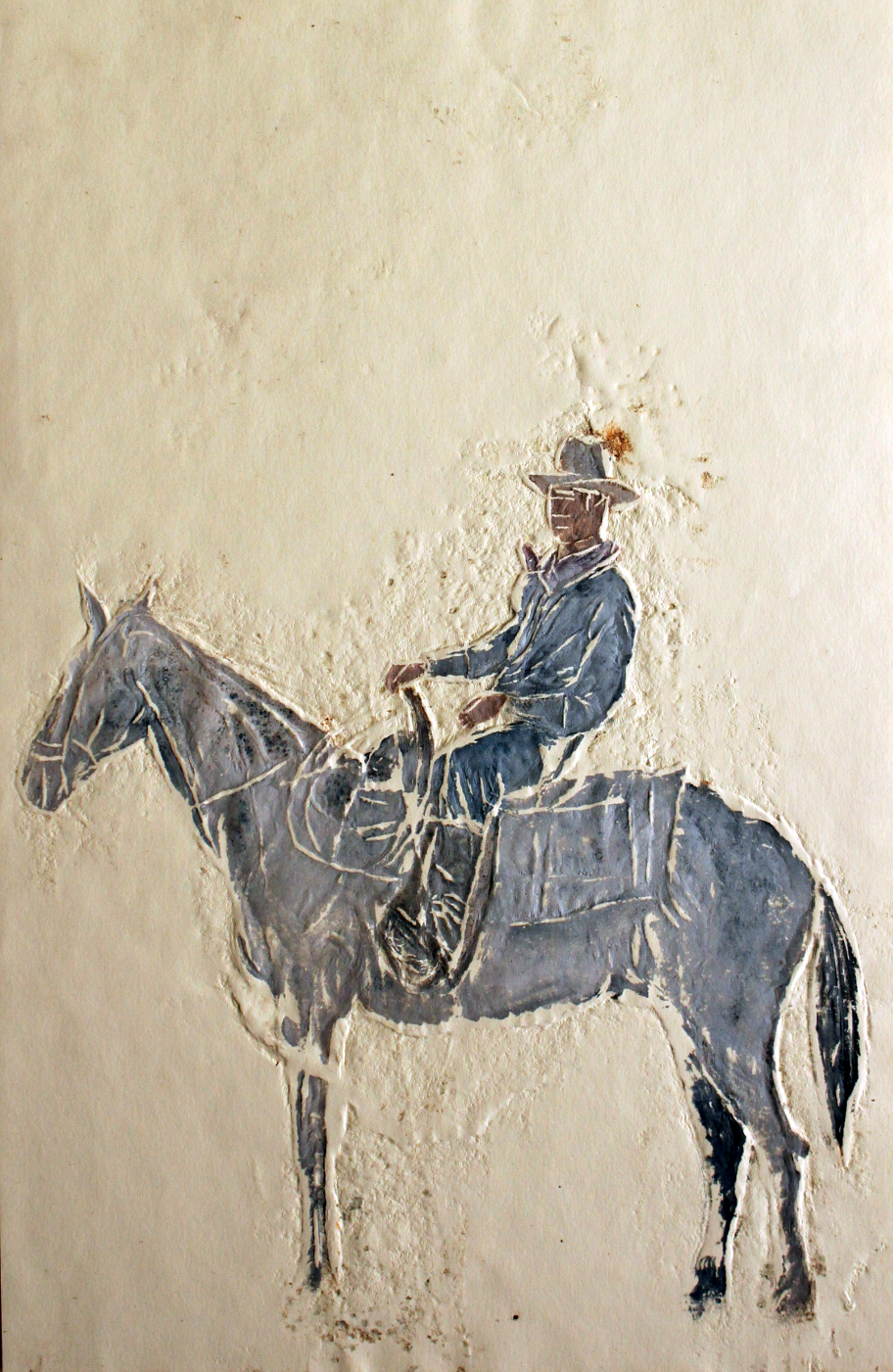
Below is a cowboy carved atop a frieze of petroglyphs on private property on the Hastings Mesa near Telluride, CO. Below the carving is an impression made in 2011. The spatial relationship between the rock and the piece of paper is the form overarching all my work.
Aero-Dynamics
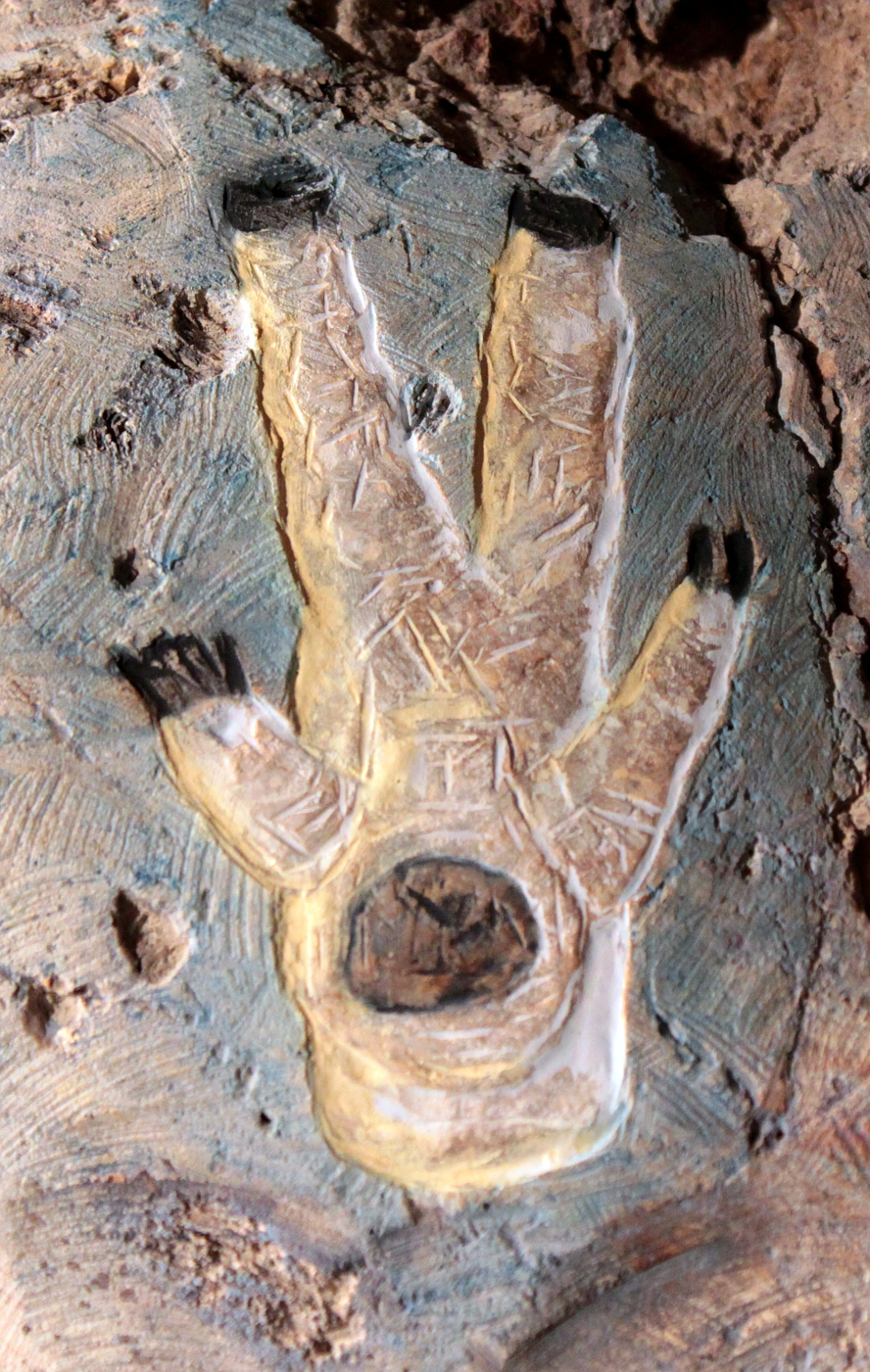
My Impressions enhance texture. The imperfections and cuts of the drawings mimic the natural aesthetics of the original carving .
The Moose Petroglyph
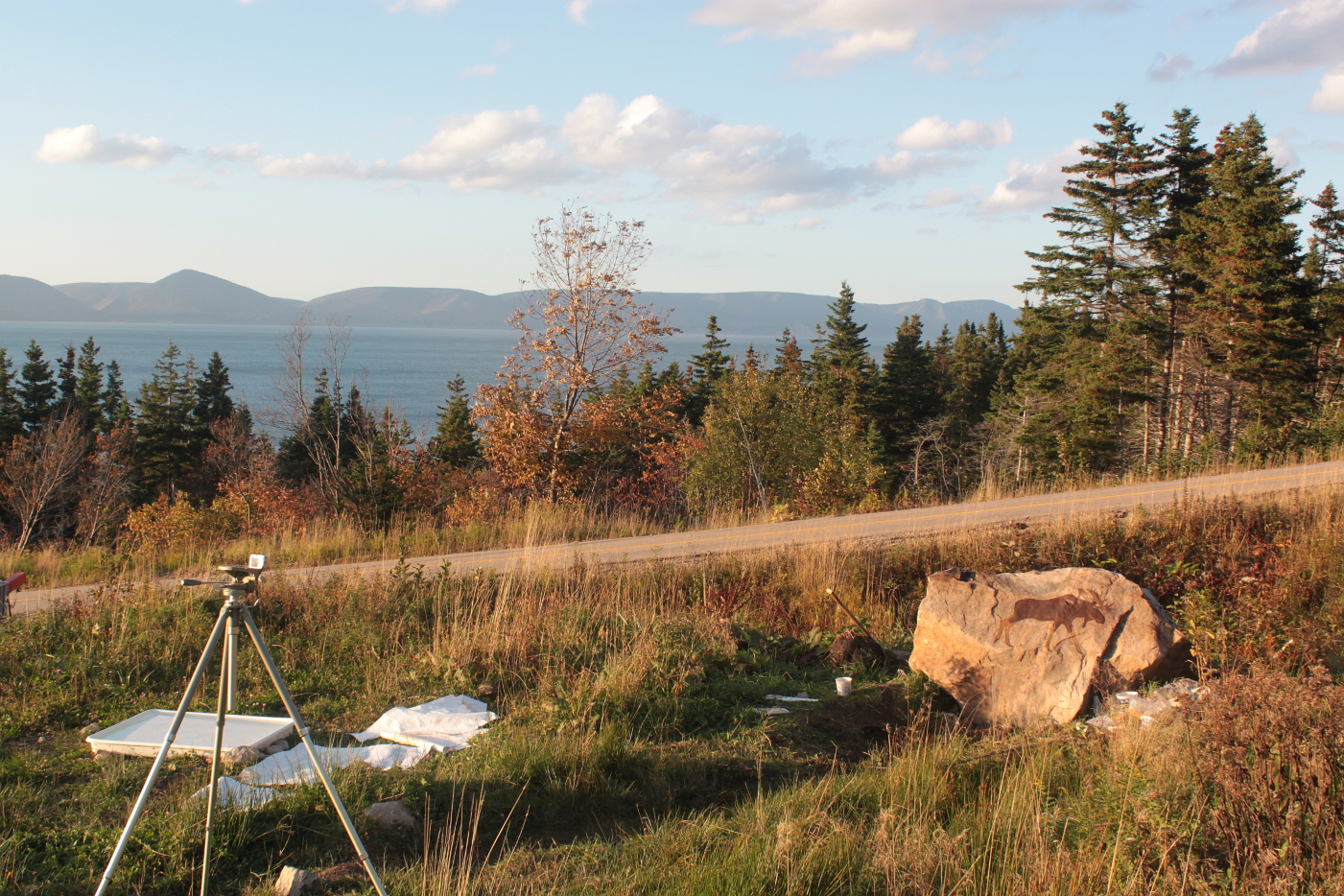
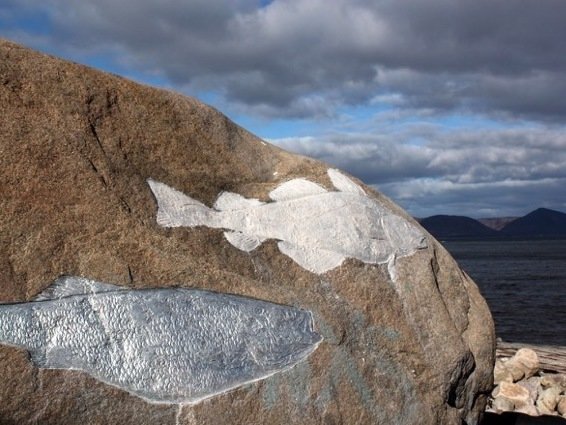
Here’s the Moose Rock with the Aspy Bay and Cape North in the background. My intention was to carve fish and fishermen, but my host argued that people there ate as much moose as fish, so I carved this moose.
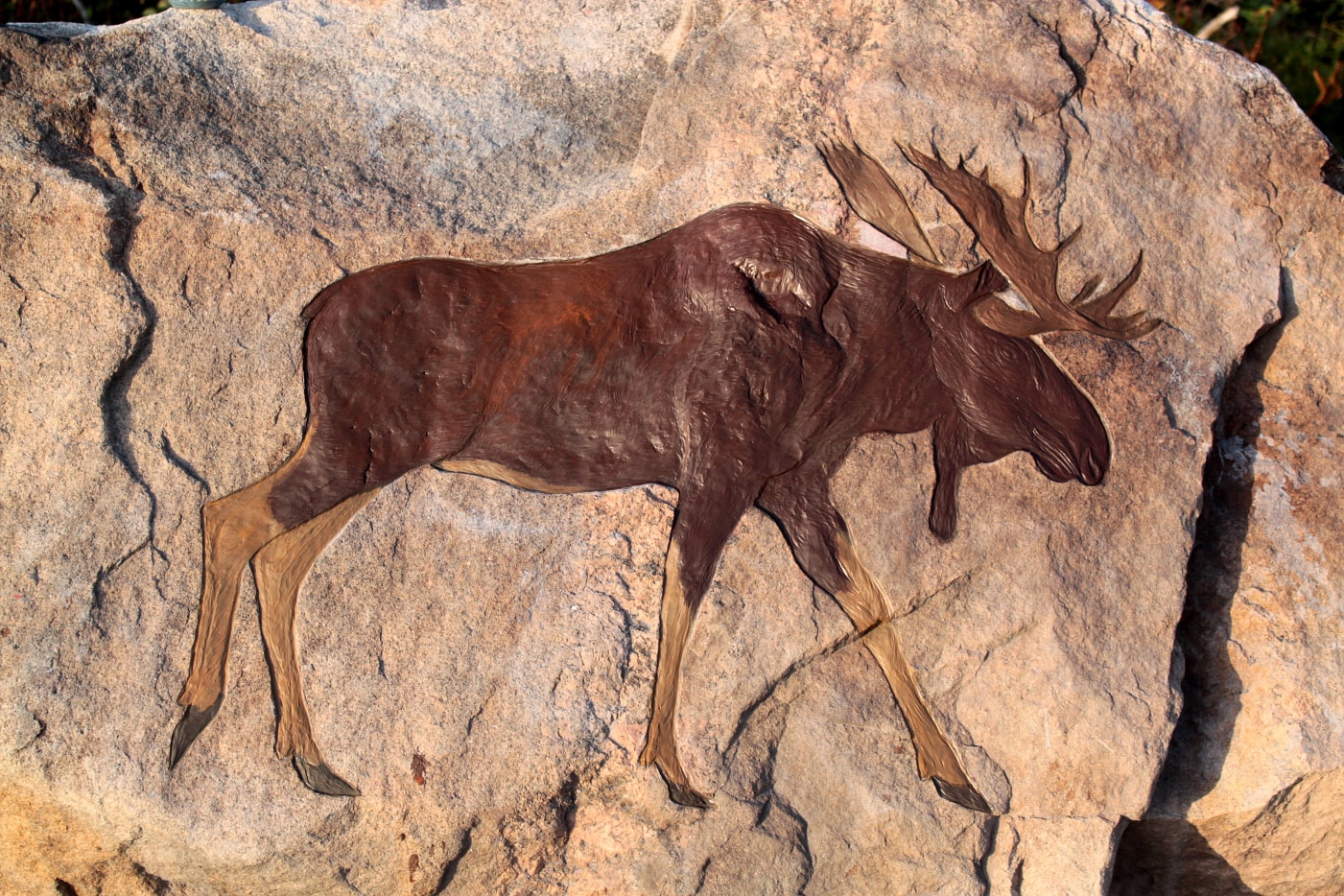
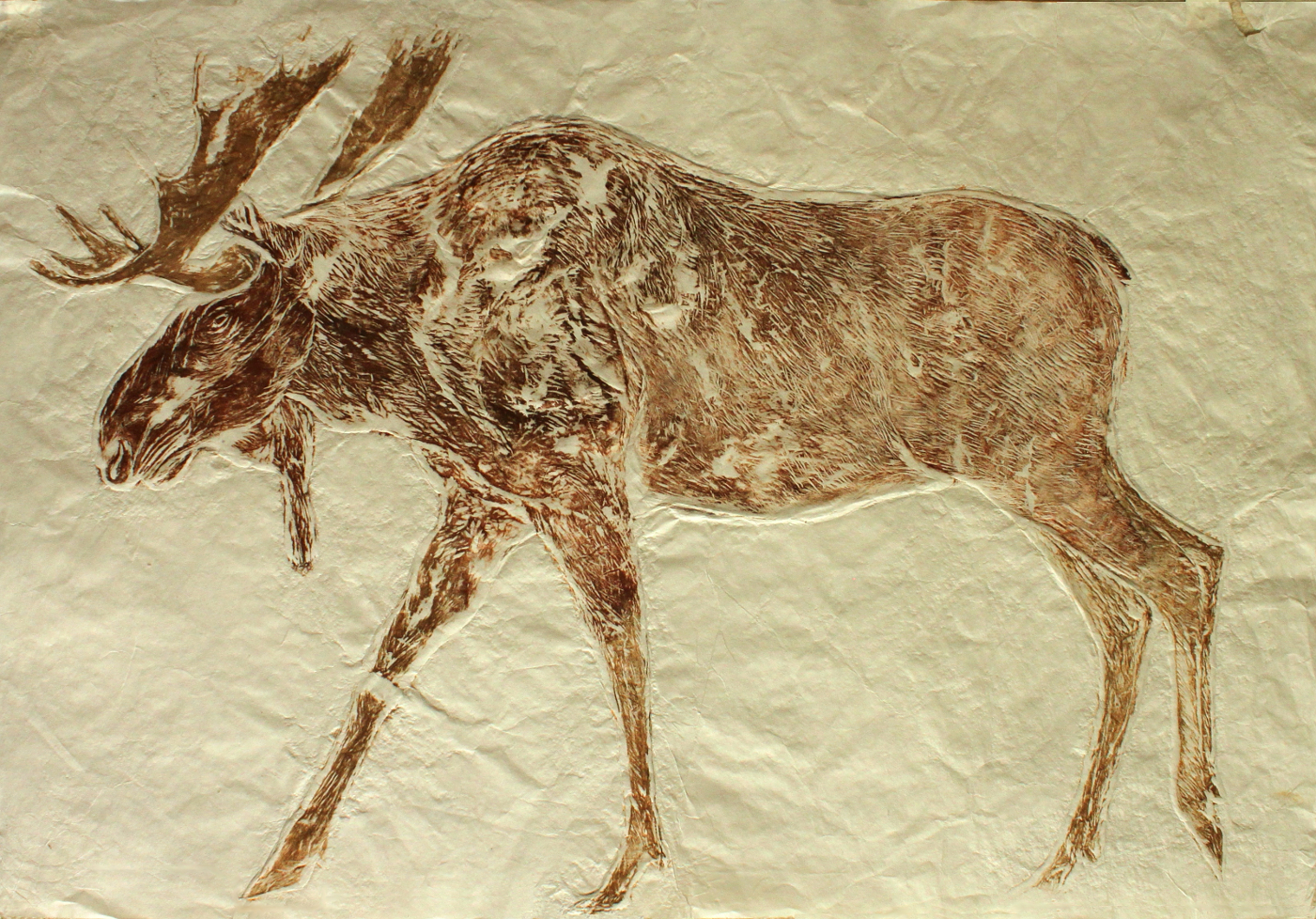
Below, shows the carving painted for printing and a rice paper impression made from the carving.
NPR Reveals My Simple Secret , ‘My Art From Life’

Philosopher and author, Alva Noe, characterizes my work well:
” The very project, then, is a social experiment; the artist works with rock and carving, but he also works with this more immaterial material of delicate social relations and community. This is no less the stuff of his art.”
Read more about it here :
http://www.npr.org/sections/13.7/2016/04/23/474717276/making-art-from-life
Working Cowboy
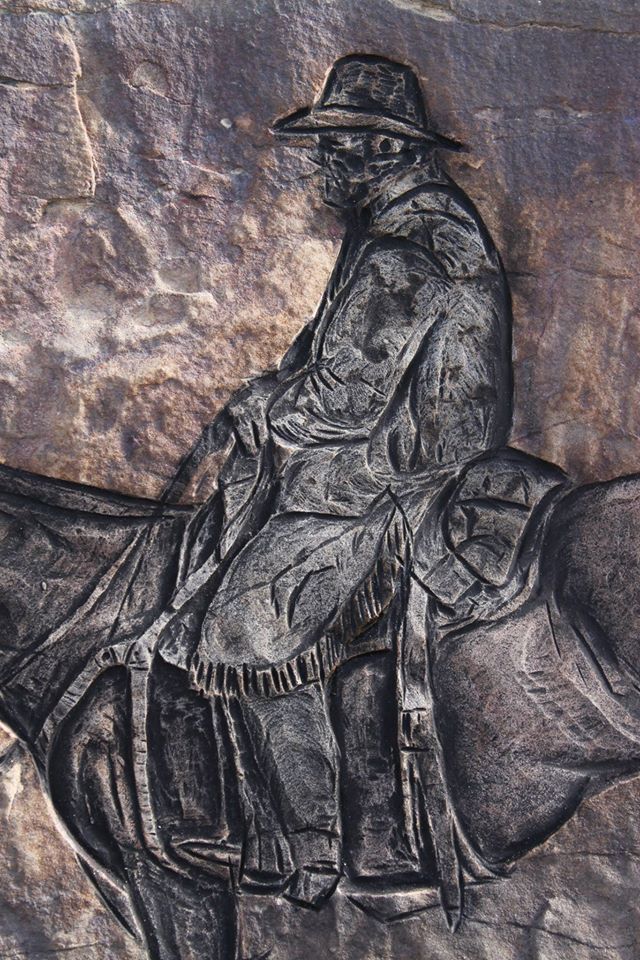
This carving features a working cowboy, Morris Ware, from the community around the carving, Jerry Brown had invited some funeral directors out to Ingomar to stay at the Bunk n’ Biscuit, ride horses and push cows during the day, and hang out at the Jersey Lily at night. I tagged along one day while they pushed cows closer to the ranch for the fall roundup.
The best part of the day was lunch at the Newman’s ranch.
Two Fold : Eagle Piece | P2
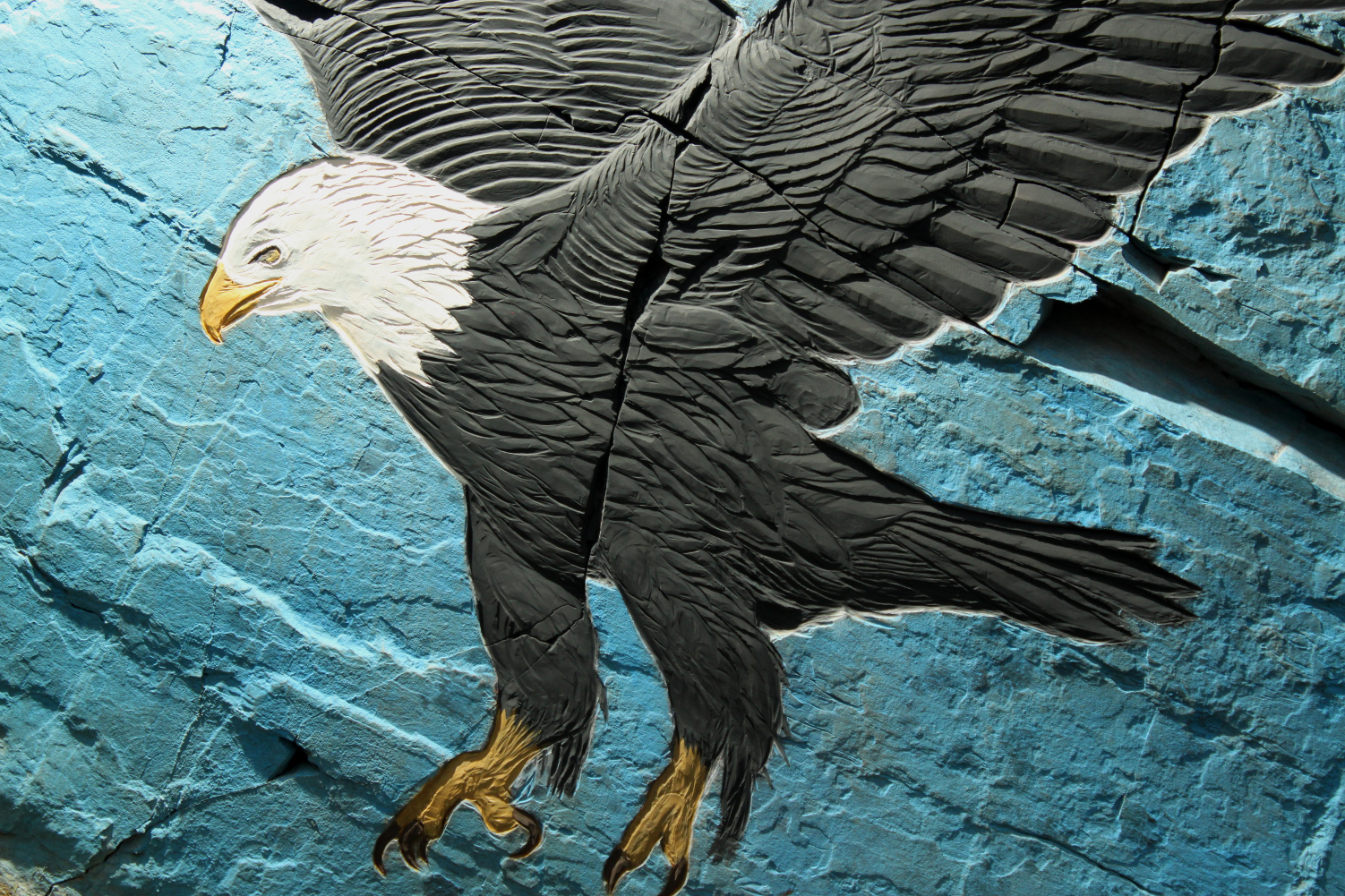
This carving was made for Bettina Hubby’s “Eagle Rock – Rock N Eagle Shop”. It was carved at the terminus of the a limestone quarry in New Hope, PA. The fissures in the rock made it a challenge, but the piece is sheltered and well protected.
All around the carving I made pictographs of concentric circles and emblems. The patron of the piece *did not like* the pictographs, but they are my favorite part of the piece, so we compromised and most remain.
Two Fold : Eagle Piece | P1
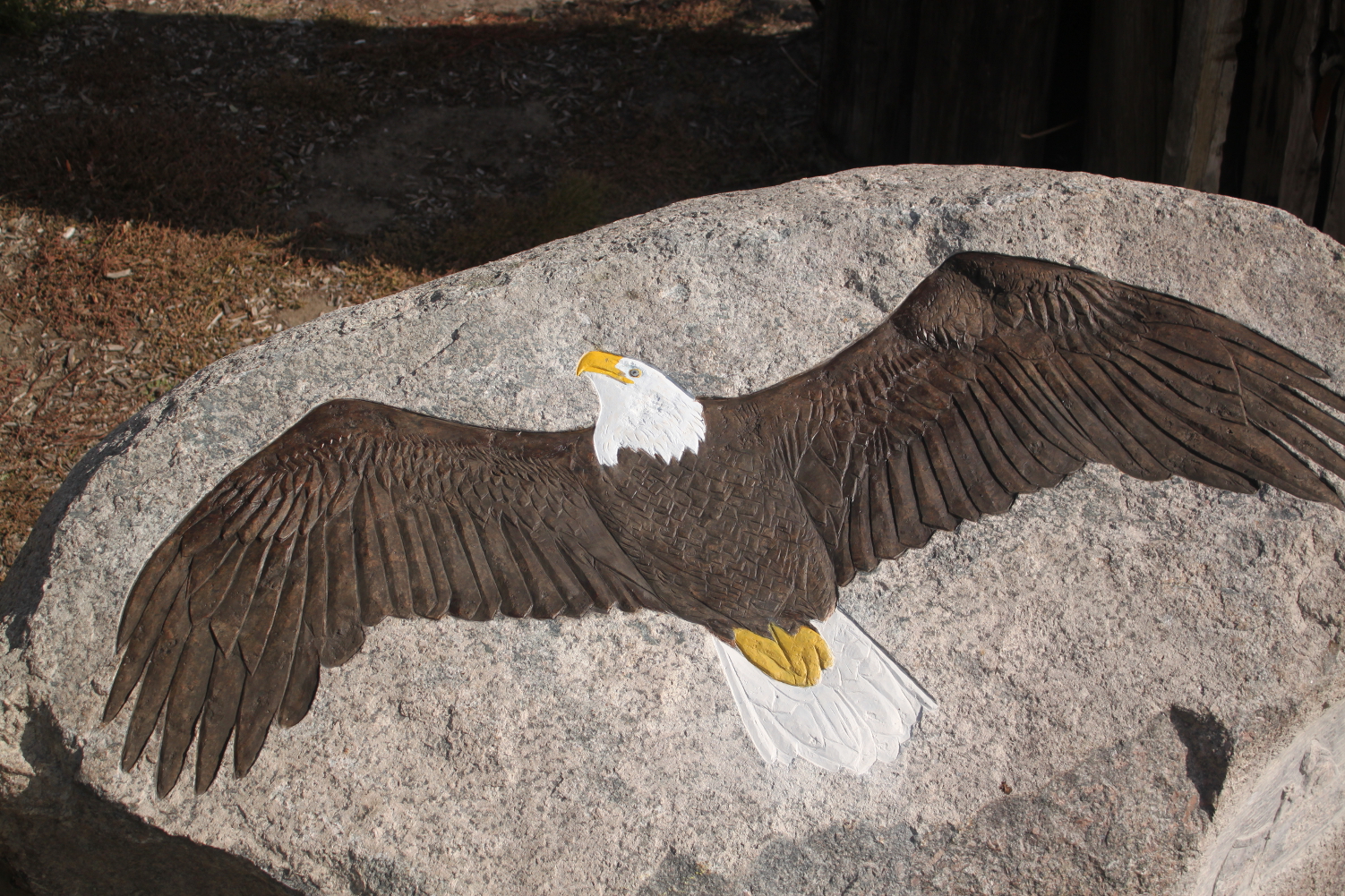
After seeing my Fish Petroglyph at the Grand Rapids Public Museum, during ArtPrize 2014,this is a piece commissioned by the Community Development Foundation of St. Clair County in Port Huron, MI. The piece is along the Blue Water River Walk.
The St. Clair River as it pours out of the south end of Lake Huron is a unique color of cerulean blue, and the snorkeling around the barge dock next to the rock is some of the best ever: big cat fish, giant schools of minnows, musky, bass, big carp, and more. The community engagement facet of this piece was unique since it is intended to honor the history of the Native Americans and First Nations of the area.